
Holli and I both have Iris’s on our farms but have never seen them bloom in July here in Ontario! I was checking the dates on photos from previous years and it they range from early May to late June. This pic above was taken on July 15!
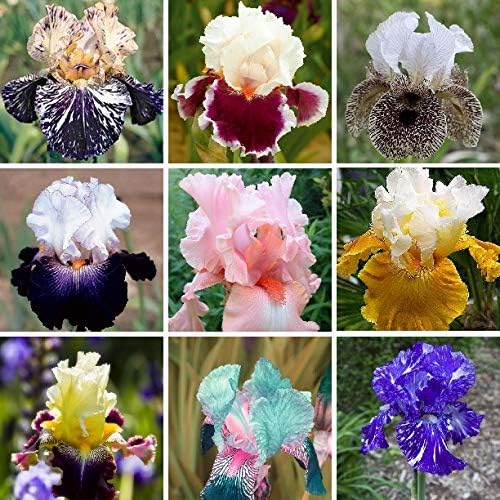
Here are some of the pics taken over the years!
Looking through my pics inspired me to learn more about this beautiful flower!
Irises captivate gardeners and artists alike with their intricate blooms and vibrant colors. In this blog post, we’ll journey through their rich history, examine key varieties, explore cultural symbolism, and share practical tips for growing irises in your own garden. Whether you’re a seasoned horticulturist or a curious beginner, this guide will deepen your appreciation and mastery of these stunning perennials.
A Brief History of Irises
The iris genus dates back millions of years and takes its name from the Greek word for rainbow, reflecting the wide spectrum of petal colors. Ancient civilizations, including the Egyptians and Greeks, revered irises as symbols of royalty and divine connection. Over centuries, iris cultivation spread across Europe and Asia, sparking hybridization efforts that produced today’s countless cultivars.
Iris Varieties at a Glance
Below is a comparison of four popular iris groups, highlighting their distinctive traits and garden roles.
| Variety | Scientific Name | Key Features | Bloom Time |
|---|---|---|---|
| Bearded Iris | Iris germanica | Frilly “beards” on falls, many hues | Late spring |
| Siberian Iris | Iris sibirica | Narrow foliage, graceful blooms | Early to mid-summer |
| Louisiana Iris | Iris hexagona etc. | Tolerant of moisture, bold colors | Late spring |
| Japanese Iris | Iris ensata | Flat, wide petals, rich purples | Early summer |
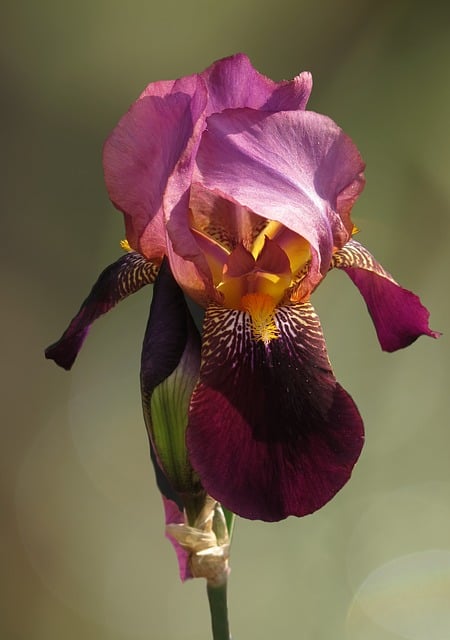
Bearded Iris
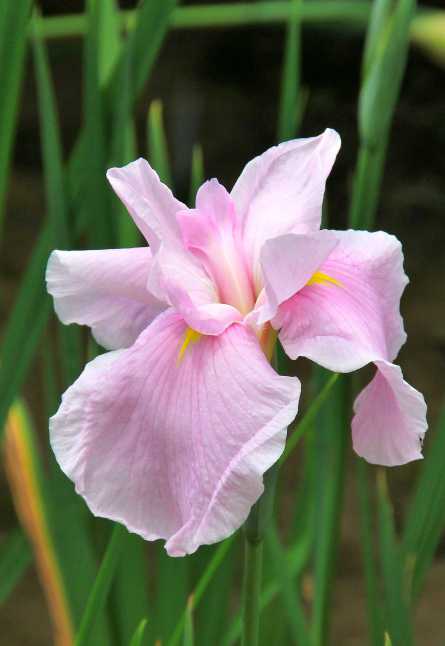
Japanese Iris
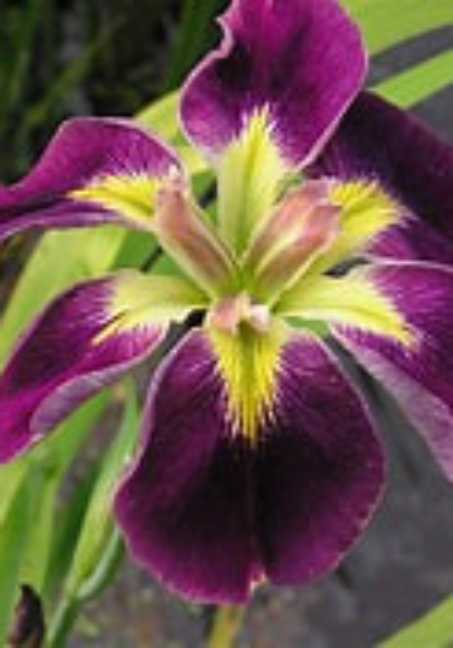
Louisiana Iris
Sibirian Iris
Symbolism and Cultural Significance
Irises carry layered meanings across societies. In Ancient Greece, they conveyed messages from the gods, while in Japan they represent purity and heroism. During medieval Europe, iris motifs adorned coats of arms and cathedral windows. Today, they often signify hope, wisdom, and compliments—making them perfect gifts.
Growing Irises in Your Garden
- Site Selection
- Choose a spot with at least six hours of sunlight daily.
- Ensure well-drained soil to prevent rhizome rot.
- Planting Rhizomes
- Plant in late summer, spacing each rhizome 12–18 inches apart.
- Position rhizomes so tops are just visible above soil.
- Watering and Fertilizing
- Water newly planted irises weekly for the first month.
- Apply a low-nitrogen fertilizer in early spring.
- Maintenance
- Remove spent blooms to encourage further flowering.
- Divide crowded clumps every three to five years for vigor.
Conclusion
Irises blend ancient lore, horticultural versatility, and artistic inspiration into one iconic bloom. By understanding their history, selecting the right varieties, and following simple care guidelines, you can cultivate a stunning iris display in your own garden.
Take a look at these Rare Heirloom Iris Flowers!
The seeds are available here
Share your iris successes or questions in the comments below—let’s keep the conversation growing!
We would love to see your pics in the comments!
Sherry and Holli
Further Resources
Books on the Iris
This site contains affiliate links to products. We may receive a commission for purchases made through these links at no cost to you.
Hi, this is a comment.
To get started with moderating, editing, and deleting comments, please visit the Comments screen in the dashboard.
Commenter avatars come from Gravatar.